Two consultations, one bite, two numbers, and a gap that can run into four figures. That gap is not proof of a bad practice on either side. Published ranges are wide by design: comprehensive treatment runs from $3,000 to more than $10,000, metal braces from $3,000 to $7,500, and clear aligners from $3,000 to $7,000. Once you know what sits inside those bands, quotes become comparable, and the cheapest line stops being the obvious choice. We are a free matching service, and nothing here ranks a practice by payment.
Line one: what the fee actually includes
The first difference between two quotes is rarely the appliance. It is the scope. One fee may cover records, imaging, all appliances, all adjustments, repairs and retainers. Another may cover active treatment only, with records billed separately and retainer replacement charged later. Ask for the inclusions in writing before you compare totals, because a quote that looks several hundred dollars cheaper can cost more once the first broken bracket is invoiced. The same question applies to consultations: ask whether a records appointment carries its own fee before treatment begins.
Line two: appliance choice and who supplies it
Appliance choice moves the number more than any other single decision. Published ranges put ceramic braces at $2,000 to $8,500, metal braces at $3,000 to $7,500, clear aligners at $3,000 to $7,000, and lingual braces at the top of the table, reaching $13,000. Two practices quoting the same appliance can still land apart, because aligner cost varies by provider and because some cases need extra appliances such as a bite-opening device or a palatal expander. Ask which appliance the plan assumes, and what changes if the first choice does not work.
Line three: treatment length and the number of visits
Longer treatment means more visits, and more visits mean more of your year. Invisalign published examples show a two-year teen case and a one-year adult case, so length is set by the movement required rather than by the appliance alone. This is where Arlington geography becomes a cost. A family in Ballston driving to Shirlington for a midday adjustment, or a Crystal City household crossing to a Falls Church office on I-66, loses a different amount of the day each time. Ask both practices how many visits the plan assumes, and count the trips, not the mileage.
Line four: the retention plan
Retention is the line most often missing from a short quote. Teeth drift after treatment, and a plan without retainers is an unfinished plan. Our fact sheet carries no published retainer price, so there is no honest average to quote you here. Ask each practice whether retainers are included, how many are provided, whether a fixed wire behind the front teeth is part of the plan, and what a replacement costs when one is lost at a hotel in September. Then add that figure to the totals you are comparing.
Line five: how the practice handles insurance
Insurance handling changes what you pay, not what the treatment costs. Invisalign publishes a case example with a $7,000 doctor fee, $5,600 covered by insurance and a $1,400 balance, which shows how much of a total can sit with the plan. One practice may submit the claim, wait for the payment and bill you the difference. Another may ask you to pay in full and seek reimbursement yourself. Healthline notes that most dental insurers will not cover adult orthodontics, so an adult should confirm placement of the benefit before booking. The family pays the practice directly in every arrangement; this service never bills for the introduction.
Line six: payment plan terms
Two quotes with the same total can feel different month to month. Invisalign states that FSA and HSA funds and payment plans apply to aligner treatment, and its published example spreads a $1,400 balance at about $58 a month for 24 months. Ask about the deposit, the number of instalments, whether there is interest, whether the discount for paying up front is worth taking, and what happens to the schedule if treatment finishes early or runs past the estimate. Payment terms are negotiable in a way that treatment time usually is not.
A comparison table for two quotes
| Line | What to ask | Why it changes the total |
|---|---|---|
| Scope | Are records, imaging, repairs and retainers included? | A narrow fee is not cheaper once add-ons arrive |
| Appliance | Which appliance, and what if it does not work? | Published ranges overlap across appliance types |
| Length | How many visits, and where? | Longer treatment means more school or work time lost |
| Retention | How many retainers, and what does a replacement cost? | No published retainer price exists, so it must be asked |
| Insurance | Who submits the claim and who waits for payment? | Benefit placement changes the cash you find monthly |
| Payment | Deposit, instalments, interest, early payoff | Same total can mean a different monthly burden |
Fill that table in for both practices and the gap usually explains itself.
The questions that make quotes comparable
Ask the same six questions of every practice, and write the answers down next to each quote. First, what is the total fee and what does it include. Second, which appliance and how long is the estimate. Third, are retainers included and how many. Fourth, what is your estimated insurance payment and my balance. Fifth, what are the payment terms and is there any interest. Sixth, what happens if treatment runs longer than the estimate. A practice that answers all six in writing is telling you something about how it will handle the treatment itself.
Frequently asked questions
Why is one orthodontic quote thousands more than another?
Usually the scope rather than the appliance. Records, imaging, repairs, appliance changes and retention are the lines that move a total, and a quote that excludes them can look far cheaper than one that does not.
Should I choose the cheapest quote?
Not on price alone. Compare what each fee includes, how many visits the plan assumes, whether retainers are covered and how insurance is handled. Two quotes are only comparable once those lines match.
Do orthodontic quotes include retainers?
Sometimes. There is no published retainer price in our fact sheet, so the only reliable answer comes from the practice. Ask how many retainers are included, whether a fixed wire is part of the plan and what a replacement costs.
How do I compare two payment plans?
Compare the deposit, the number of instalments and any interest, not just the monthly figure. Invisalign publishes an example of a $1,400 balance at about $58 a month for 24 months, which is one published case rather than a rate you should expect.
What if treatment takes longer than quoted?
Ask before you sign. Some practices fix the fee for a set treatment length and absorb extra visits, and others bill the difference. That single question separates two otherwise identical quotes.
Sources
Tools & calculators

All 20 free Orthodontics tools
Cost calculators, comparisons and checklists. No sign-up.

Cost calculator
Estimate the range for a case in about a minute.

Cost guide
Every published appliance range, in one page.

Consultation checklist
What to bring and what to ask before you commit.

Knowledge quiz
Ten questions on costs, timing and coverage.

Appliance fit quiz
Eight questions that point to an appliance path.

Cost & Payment tools
Estimator, coverage checker, financing, payment plans, retainer cost, value over time

Compare & Plan tools
Appliance selector, braces vs aligners, timeline, treatment and school-calendar planners
Checklists & Answers tools
Practice questions, records and X-ray checklist, second opinion, smile check
Resources

Blogs
Cost, timing and buying guides for Arlington families.
Problems
The bite and smile issues families ask about most.

Watch
Video walkthroughs and what to expect.
FAQ
The questions we get asked most.

How it works
The request, the match, the quotes.

About
Who this free matching service is for in Arlington.
What a Written Orthodontic Quote Should Include
A written orthodontic quote should itemise the records, the appliance, the estimated treatment length and the retention plan, rather than give a single figure. That detail is what lets you compare two practices on the same case. Ask whether the quote covers retainer supply and any follow-up visits. Our matching service puts you in touch with local orthodontists who quote in writing.
Adult Orthodontics: Getting a Written Quote
Adults weighing orthodontic treatment can request a written quote after a consultation, and it should reflect the same case detail a clinician would record. Getting the scope itemised matters more than the headline number, because two quotes for the same bite can differ in what they include. A licensed orthodontist assesses the case and quotes it. We match you with local practices at no obligation.
Orthodontist Consultation Quotes Compared
Comparing consultation quotes starts with checking that both cover the same records and the same appliance. Differences usually sit in treatment length, retention and how insurance and payment terms are handled, not in the work itself. Asking the same questions of each practice makes the bids comparable. We match you with local orthodontists who assess and quote in writing.
Questions That Make Two Quotes Comparable
A short set of questions levels the comparison: what the fee includes, who supplies the appliance, the estimated number of visits, the retention plan, and how the practice handles insurance and payment terms. Put those to each practice and compare the answers side by side. Our matching request is free and carries no obligation to hire.
Related




Orthodontics services in Arlington
Invisalign
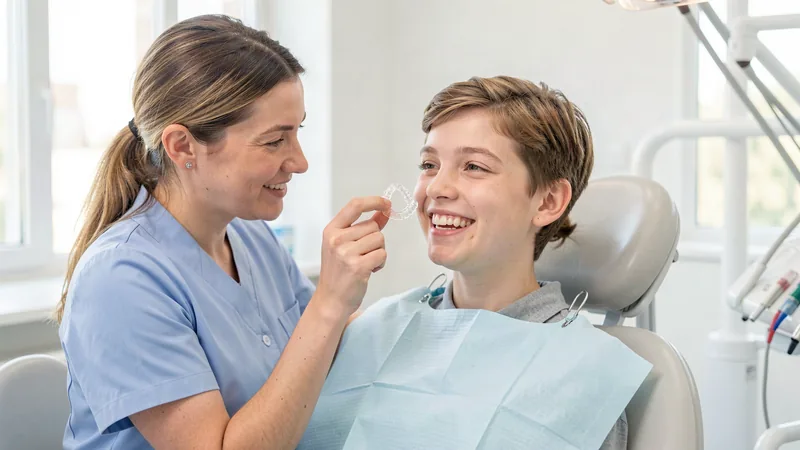
Invisalign is the clear-aligner brand adults and teenagers ask for by name. Published ranges put aligner treatment at $3,000 to $7,000, with an insurance share of $1,500 to $3,500 where a plan covers orthodontics, and Invisalign publishes its own case example with the fee, the covered share and the monthly figure.
Metal Braces
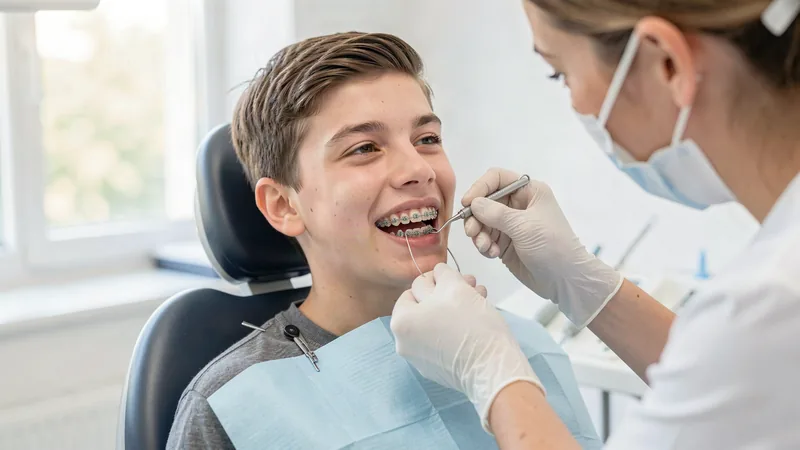
Metal braces are the fixed appliance most treatment plans are still built around: a bracket on each tooth, a wire through the brackets, and adjustments the orthodontist schedules. Published ranges put full treatment at $3,000 to $7,500, with an insurance share of $1,500 to $3,750 where a plan covers orthodontics.
Clear Aligners
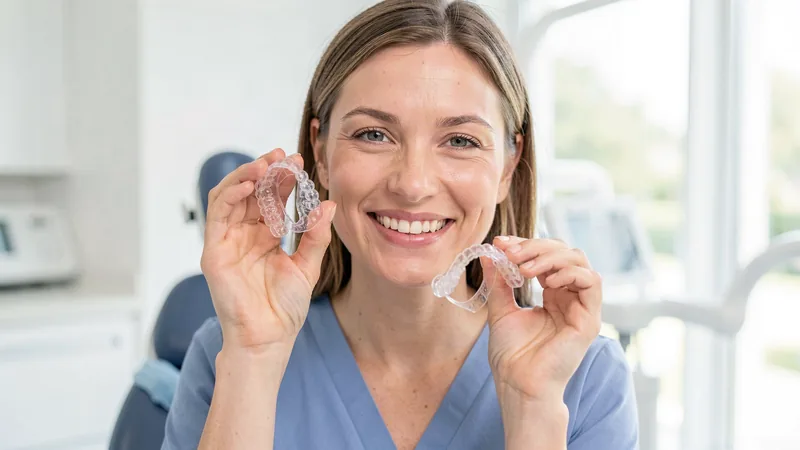
Clear aligners are removable trays made in a sequence, each one moving the teeth a little further toward the result the orthodontist has planned. Published ranges put aligner treatment at $3,000 to $7,000, with an insurance share of $1,500 to $3,500 where a plan covers orthodontics.

Ceramic Braces
Ceramic braces work exactly like metal ones, with a wire and a schedule of adjustments, but the brackets are tooth-colored so the appliance reads as a thin line rather than a mouthful of metal. Published ranges put ceramic treatment at $2,000 to $8,500, with an insurance share of $1,000 to $4,750 where a plan covers orthodontics.
Retainers
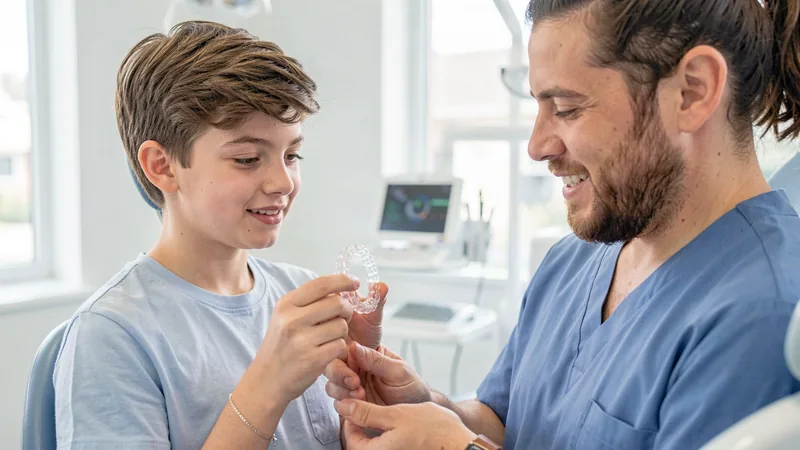
Retention is the phase most patients underestimate: the teeth keep responding to the forces around them long after the braces come off, and a fixed wire, a removable retainer or both is what holds the result. Our sources publish treatment ranges, not retainer prices, so this page tells you which questions to put in writing instead.
Kids Orthodontics
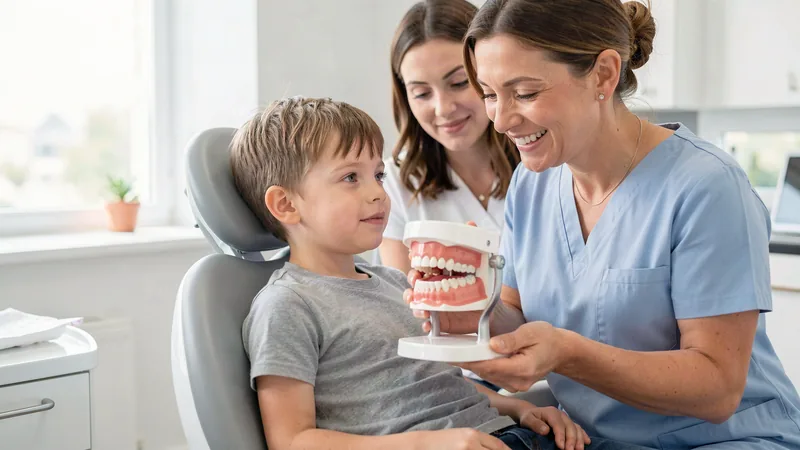
Most guidance points to a first orthodontic evaluation around age seven, when the first permanent molars and front teeth have come through and a growing jaw can still be guided. That visit is an assessment rather than a commitment, and many children are simply reviewed again in six to twelve months.

Adult Orthodontics
Adults come to orthodontics from two directions: never treated, or treated years ago and shifting again. The mechanics do not change with age, but the appliance choice, the foundation check and the insurance picture all do, and most US dental plans will not cover adult orthodontics at all.
Palatal Expanders
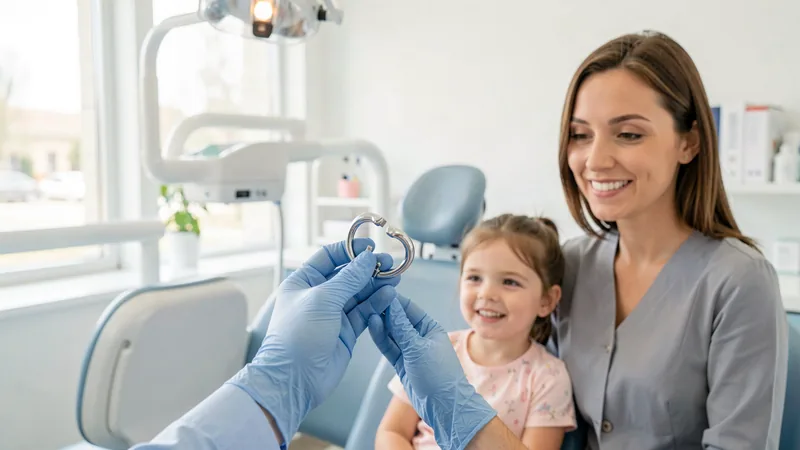
A palatal expander is a fixed appliance that widens the upper jaw while a child is still growing, which is why the age at which it is fitted matters more than almost anything else about it. No published source carries an expander fee, so the number that applies to your child is the one the treating orthodontist quotes in writing. This page covers what the appliance does, the age window, what happens at the consultation, and how the fee fits inside a wider treatment plan.
Space Maintainers
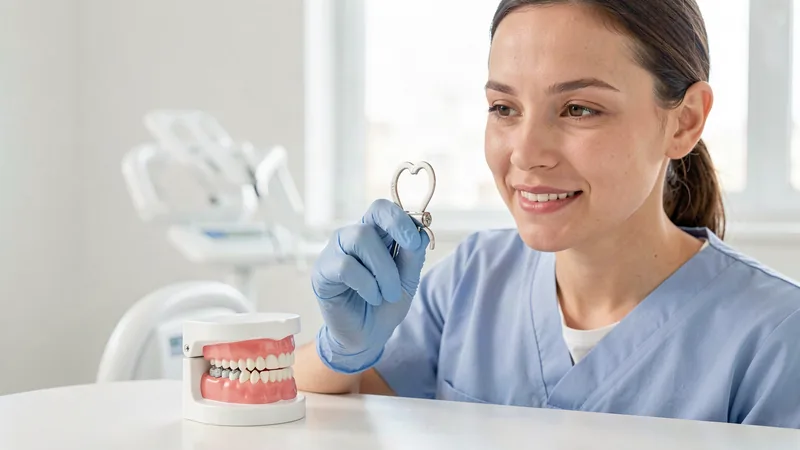
A space maintainer holds the gap left by a baby tooth that came out early, so the teeth around it do not drift into the space a permanent tooth still needs. It is a small, fixed appliance, and the decision to place one comes from an examination and X-rays. This page covers what space maintenance is, the types used, what the consultation involves and how the fee is quoted.

Phase 1 Orthodontics
Phase 1 is a first round of orthodontic treatment for a child who still has primary teeth, used when an early problem is easier to guide than it would be to correct later. It is not the same as full treatment, and many children who have it never need a second phase. This page covers what Phase 1 targets, the timing, what the consultation involves and how the fee is quoted.
Tools & calculators

All 20 free Orthodontics tools
Cost calculators, comparisons and checklists. No sign-up.

Cost calculator
Estimate the range for a case in about a minute.

Cost guide
Every published appliance range, in one page.

Consultation checklist
What to bring and what to ask before you commit.

Knowledge quiz
Ten questions on costs, timing and coverage.

Appliance fit quiz
Eight questions that point to an appliance path.

Cost & Payment tools
Estimator, coverage checker, financing, payment plans, retainer cost, value over time

Compare & Plan tools
Appliance selector, braces vs aligners, timeline, treatment and school-calendar planners

Checklists & Answers tools
Practice questions, records and X-ray checklist, second opinion, smile check
Resources

Blogs
Cost, timing and buying guides for Arlington families.
Problems
The bite and smile issues families ask about most.

Watch
Video walkthroughs and what to expect.

FAQ
The questions we get asked most.

How it works
The request, the match, the quotes.

About
Who this free matching service is for in Arlington.
Areas we serve
Arlington
Orthodontics in Arlington, VA - costs, water and soil notes.
Ballston
Orthodontics in Ballston, VA - costs, water and soil notes.
Clarendon
Orthodontics in Clarendon, VA - costs, water and soil notes.
Crystal City
Orthodontics in Crystal City, VA - costs, water and soil notes.
Shirlington
Orthodontics in Shirlington, VA - costs, water and soil notes.
Fairlington
Orthodontics in Fairlington, VA - costs, water and soil notes.
Columbia Pike
Orthodontics in Columbia Pike, VA - costs, water and soil notes.
Cherrydale
Orthodontics in Cherrydale, VA - costs, water and soil notes.
Westover
Orthodontics in Westover, VA - costs, water and soil notes.
Falls Church
Orthodontics in Falls Church, VA - costs, water and soil notes.
McLean
Orthodontics in McLean, VA - costs, water and soil notes.
Alexandria
Orthodontics in Alexandria, VA - costs, water and soil notes.
Annandale
Orthodontics in Annandale, VA - costs, water and soil notes.
Bailey's Crossroads
Orthodontics in Bailey's Crossroads, VA - costs, water and soil notes.
Seven Corners
Orthodontics in Seven Corners, VA - costs, water and soil notes.