Get Matched With a Local Pro
Tell us what you need and we route it to local orthodontists who do this work. Free, no obligation.
Services
Invisalign
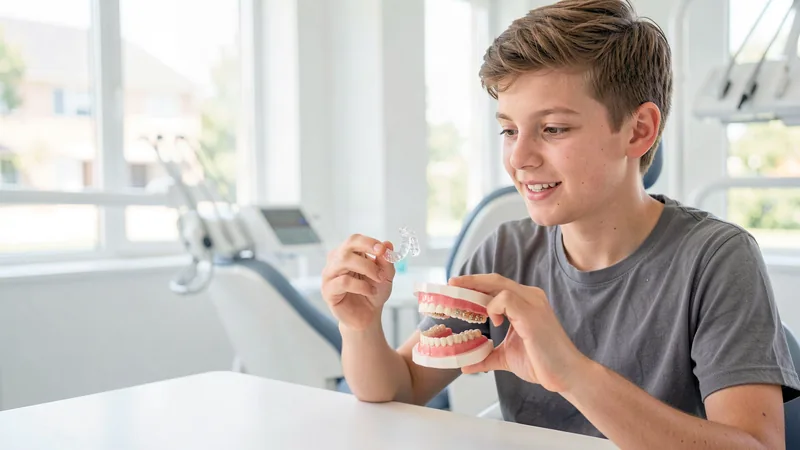
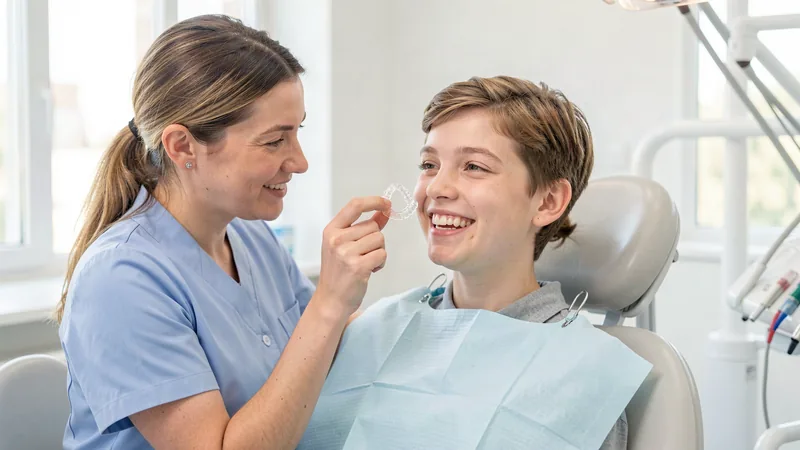
Invisalign is the clear-aligner brand adults and teenagers ask for by name. Published ranges put aligner treatment at $3,000 to $7,000, with an insurance share of $1,500 to $3,500 where a plan covers orthodontics, and Invisalign publishes its own case example with the fee, the covered share and the monthly figure.
Metal Braces
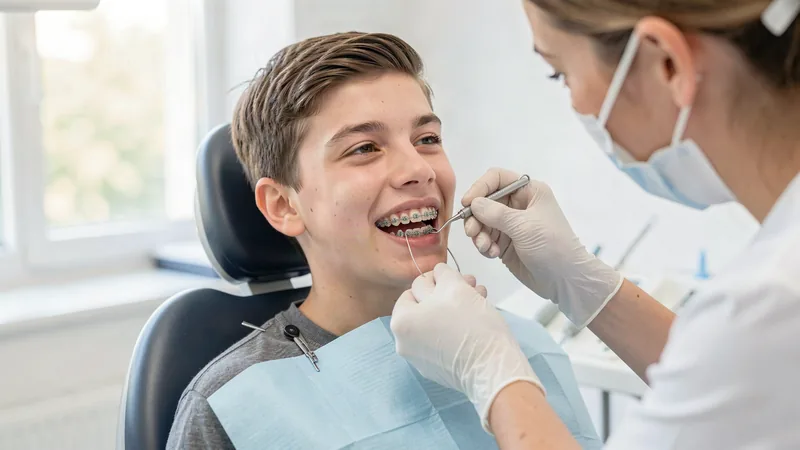
Metal braces are the fixed appliance most treatment plans are still built around: a bracket on each tooth, a wire through the brackets, and adjustments the orthodontist schedules. Published ranges put full treatment at $3,000 to $7,500, with an insurance share of $1,500 to $3,750 where a plan covers orthodontics.
Clear Aligners
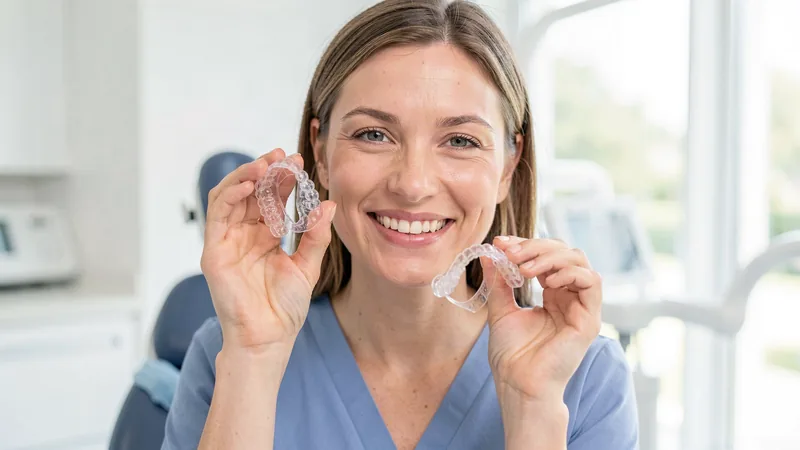
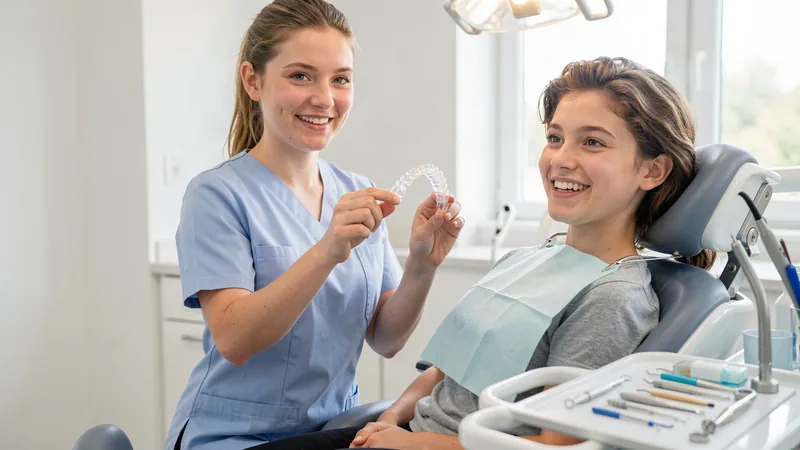
Clear aligners are removable trays made in a sequence, each one moving the teeth a little further toward the result the orthodontist has planned. Published ranges put aligner treatment at $3,000 to $7,000, with an insurance share of $1,500 to $3,500 where a plan covers orthodontics.
Ceramic Braces
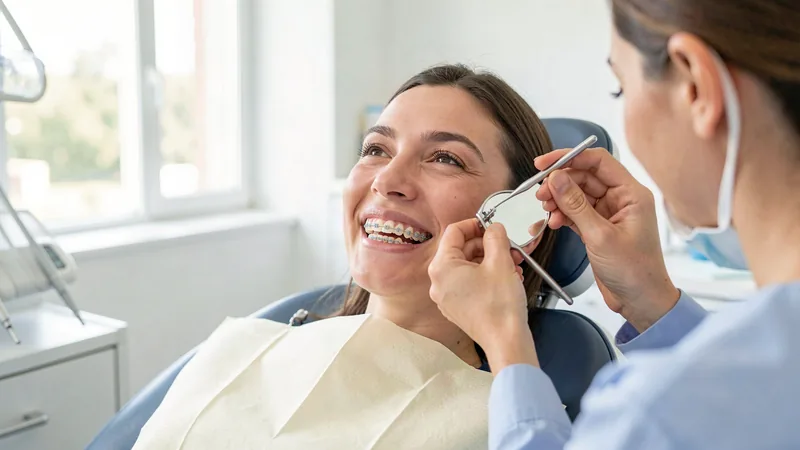
Ceramic braces work exactly like metal ones, with a wire and a schedule of adjustments, but the brackets are tooth-colored so the appliance reads as a thin line rather than a mouthful of metal. Published ranges put ceramic treatment at $2,000 to $8,500, with an insurance share of $1,000 to $4,750 where a plan covers orthodontics.
Retainers & Retention
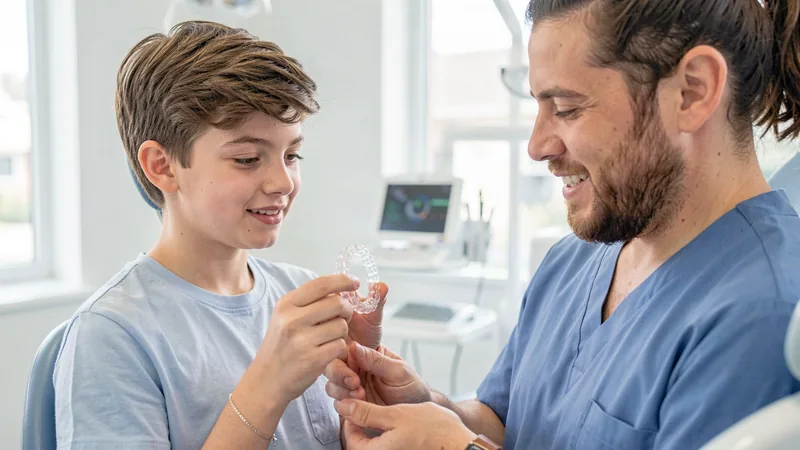
Retention is the phase most patients underestimate: the teeth keep responding to the forces around them long after the braces come off, and a fixed wire, a removable retainer or both is what holds the result. Our sources publish treatment ranges, not retainer prices, so this page tells you which questions to put in writing instead.
Kids & Teen Orthodontics
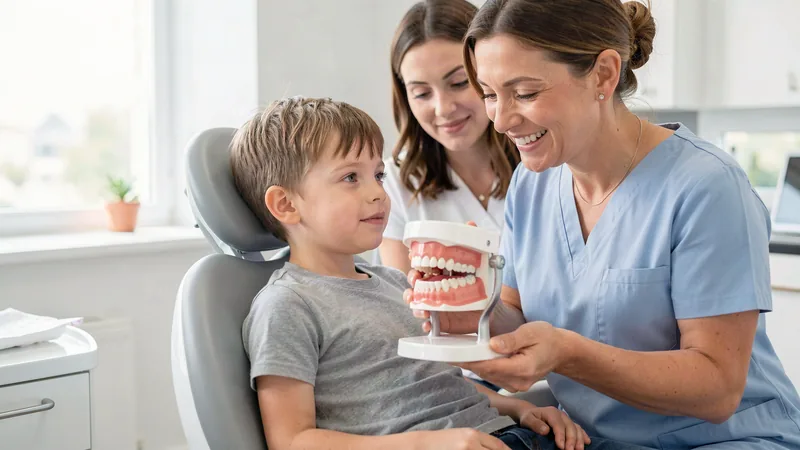
Most guidance points to a first orthodontic evaluation around age seven, when the first permanent molars and front teeth have come through and a growing jaw can still be guided. That visit is an assessment rather than a commitment, and many children are simply reviewed again in six to twelve months.

Adult Orthodontics
Adults come to orthodontics from two directions: never treated, or treated years ago and shifting again. The mechanics do not change with age, but the appliance choice, the foundation check and the insurance picture all do, and most US dental plans will not cover adult orthodontics at all.
Palatal Expanders
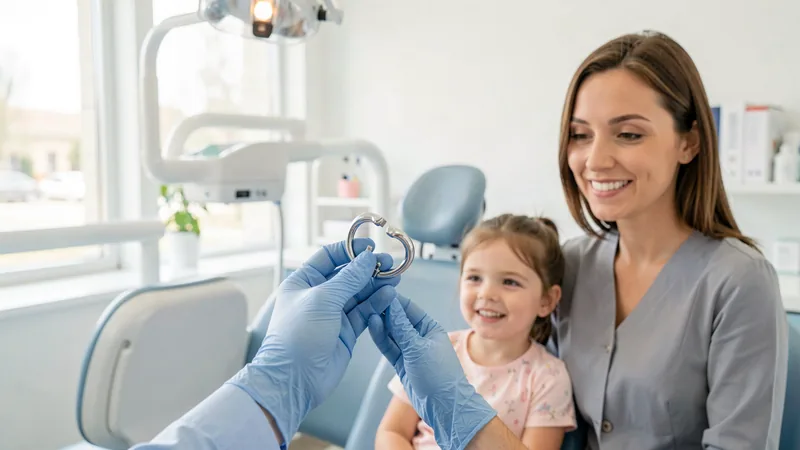
A palatal expander is a fixed appliance that widens the upper jaw while a child is still growing, which is why the age at which it is fitted matters more than almost anything else about it. No published source carries an expander fee, so the number that applies to your child is the one the treating orthodontist quotes in writing. This page covers what the appliance does, the age window, what happens at the consultation, and how the fee fits inside a wider treatment plan.
Space Maintainers
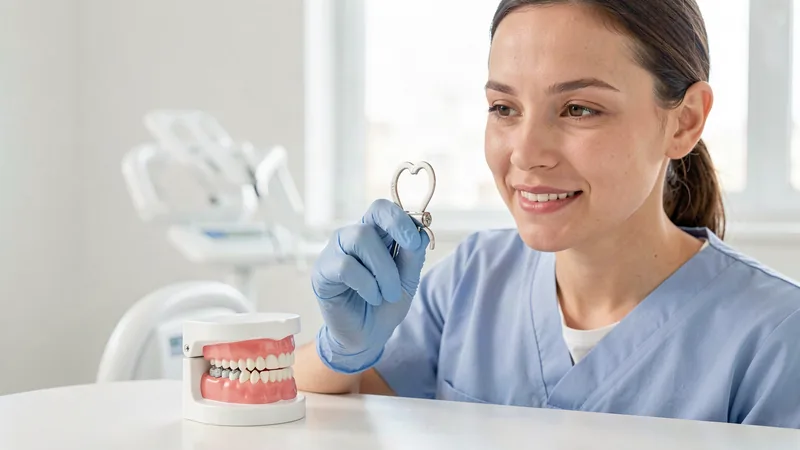
A space maintainer holds the gap left by a baby tooth that came out early, so the teeth around it do not drift into the space a permanent tooth still needs. It is a small, fixed appliance, and the decision to place one comes from an examination and X-rays. This page covers what space maintenance is, the types used, what the consultation involves and how the fee is quoted.
Phase 1 / Early Treatment
Phase 1 is a first round of orthodontic treatment for a child who still has primary teeth, used when an early problem is easier to guide than it would be to correct later. It is not the same as full treatment, and many children who have it never need a second phase. This page covers what Phase 1 targets, the timing, what the consultation involves and how the fee is quoted.
What orthodontic treatment costs in Arlington in 2026
ProjectPublished range| Job | Published range |
|---|
| Metal braces | $3,000 - $7,500 |
| Ceramic braces | $2,000 - $8,500 |
| Clear aligners (Invisalign) | $3,000 - $7,000 |
| Lingual braces | $5,000 - $13,000 |
| Comprehensive treatment, published range | $3,000 - more than $10,000 |
| Insurance share where covered | $1,500 - $3,750 (metal braces) |
These are published ranges carried over from the sources in our fact sheet, unrounded. Full cost guide.
Why Arlington families ask about timing before they ask about price
Arlington County holds about 243,931 residents, and Arlington Public Schools opened the 2026-27 year with 27,173 students — a district that size sets the rhythm of orthodontic demand here: evaluations cluster around the school-entry and middle-school years, and appointments get booked around the APS calendar. Two local details are worth knowing before you call anyone. First, Virginia requires a physical examination report, which carries a dental section on the state form, before a child is first admitted to public kindergarten or elementary school. Second, most dental plans that cover orthodontics pay about half the published ranges and cap the lifetime benefit, so where you sit in the plan year changes what you pay out of pocket. Neither detail is a reason to rush — they are reasons to ask the right questions at the consultation.
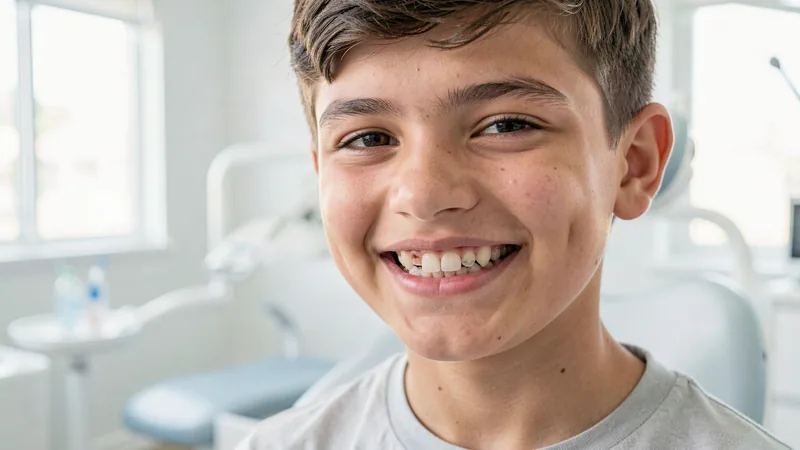
Crowding is the most common reason a family books an orthodontic consultation.
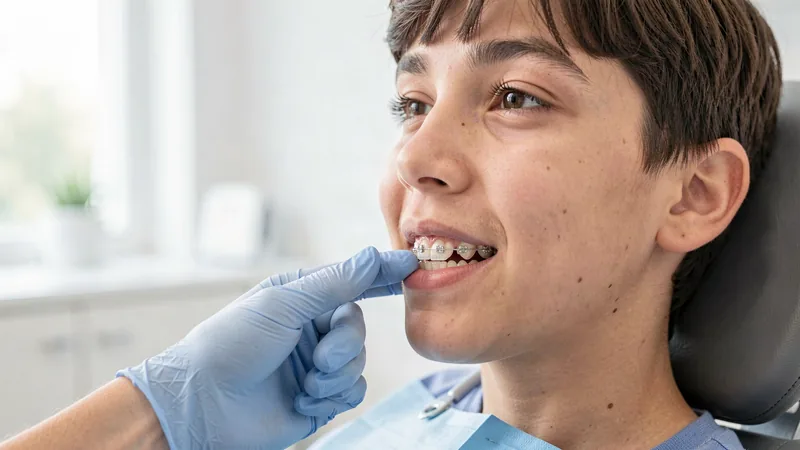
An overbite is how far the upper front teeth overlap the lower ones when the back teeth are together.
Spacing is the opposite complaint to crowding: there is more room than the teeth use, so gaps appear between them.
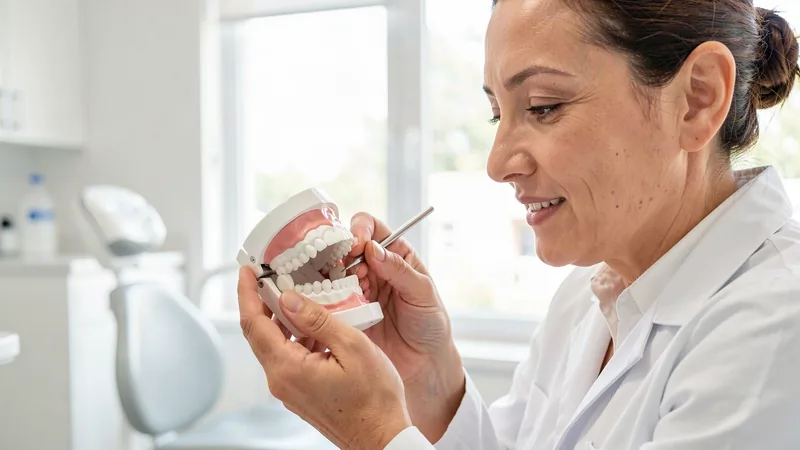
An impacted tooth has formed but cannot come through into the mouth.
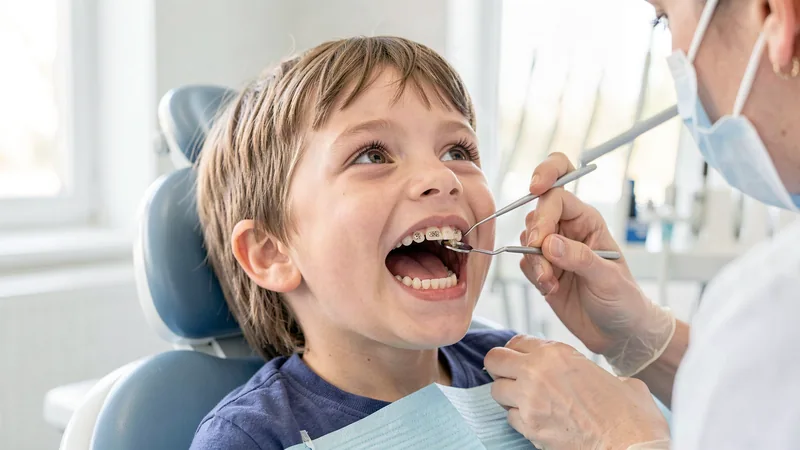
The first permanent teeth set the pattern for the rest of the bite.
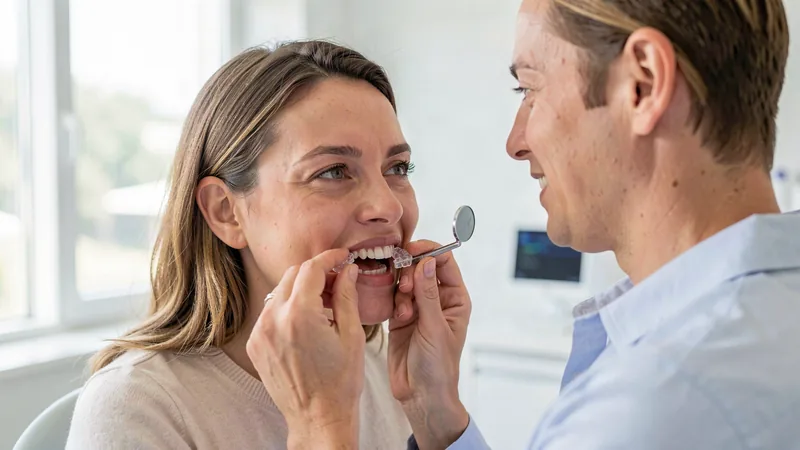
Relapse means the teeth have moved after orthodontic treatment finished.
20 free tools, no sign-up
Work out the realistic range before you sit in a consultation: run your case through the cost estimator, compare appliance types side by side, and check what insurance and Cardinal Care Smiles typically cover.
Open all 20 tools → | Appliance fit quiz
Areas we cover
From the blog
All articles →
Tools & calculators

Cost calculators, comparisons and checklists. No sign-up.

Estimate the range for a case in about a minute.

Every published appliance range, in one page.

What to bring and what to ask before you commit.

Ten questions on costs, timing and coverage.

Eight questions that point to an appliance path.

Estimator, coverage checker, financing, payment plans, retainer cost, value over time

Appliance selector, braces vs aligners, timeline, treatment and school-calendar planners
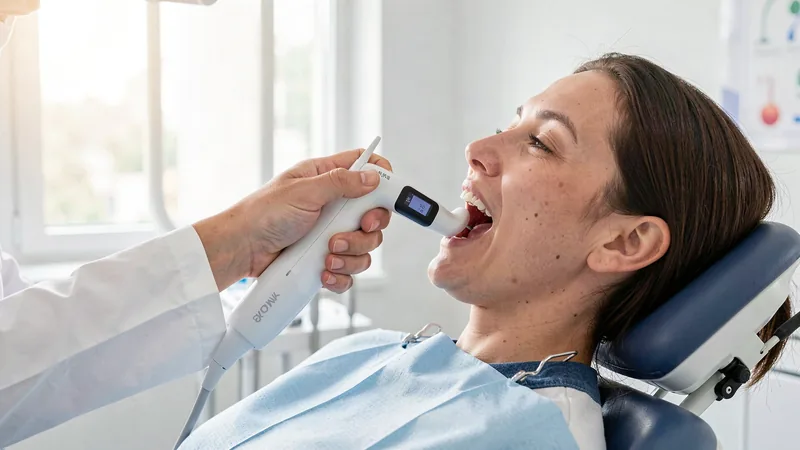
Practice questions, records and X-ray checklist, second opinion, smile check
Resources

Cost, timing and buying guides for Arlington families.
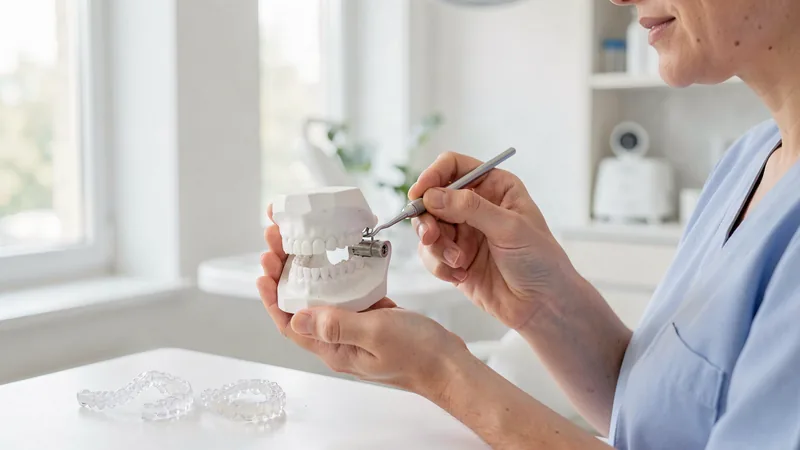
The bite and smile issues families ask about most.

Video walkthroughs and what to expect.
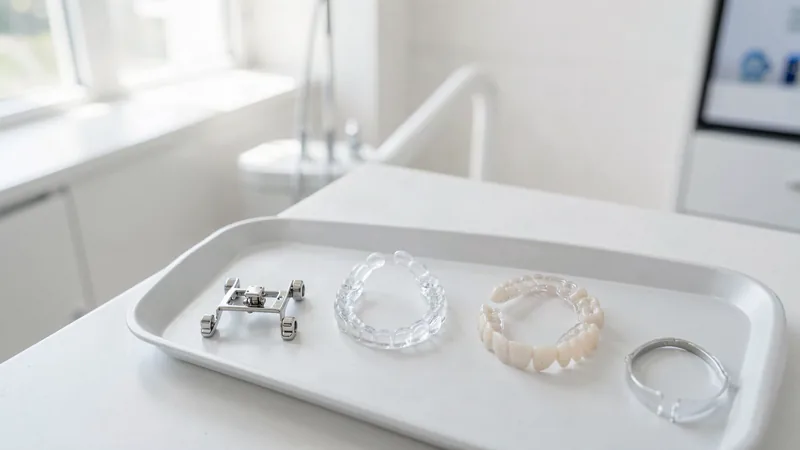
The questions we get asked most.
The request, the match, the quotes.

Who this free matching service is for in Arlington.
Ready to Get Started?
Free estimates from trusted Arlington orthodontists.