Two children with crowded front teeth can walk out of two consultations with two different plans, and both can be right. The difference is usually timing. A growing jaw responds to an appliance in a way an adult jaw does not, so the same bite problem can be treated at a different point in the arc of growth depending on what is happening underneath the gum. This article works through the six problems Arlington families ask about most, what each one actually means, and how case complexity moves the published cost band. We are a free matching service, not a practice, so nothing here is a diagnosis.
Crowding: not enough room for the teeth that are there
Crowding is a space problem before it is a straightness problem. The permanent teeth need more arch length than the jaws offer, and they take it by rotating, overlapping or erupting out of the line. In a younger child the question is whether the shortage is small enough to manage while the jaw is still growing. In an adult the growth is finished, so the options narrow to creating space, removing a tooth, or widening slightly. Two appointments can produce two different answers here because the decision turns on how much growth the orthodontist still expects, not on how the teeth look today.
Overbite: the upper front teeth cover the lowers
An overbite, sometimes called a deep bite, is vertical overlap. The upper incisors drop past the lower ones further than they should, and in a severe form the lower front teeth reach the gum behind the upper teeth. It matters most for wear, because enamel grinds against enamel and the lower incisors can flatten over years. A deep bite is also one of the problems most often discussed early, because a growing jaw offers the orthodontist levers that disappear later. Adults with a deep bite are commonly treated with aligners or fixed braces, and sometimes with an appliance that opens the bite first.
Underbite: the lower jaw sits forward
An underbite is the reverse of the first problem: the lower front teeth sit ahead of the upper ones, and the cause is often skeletal, meaning jaw position rather than tooth angle. Timing carries more weight here than in almost any other case. While the lower jaw is still growing, some plans try to influence that growth. Once growth stops, the honest options change, and some cases involve surgery alongside orthodontics, which is a conversation for a licensed specialist and not for a website. Ask any practice you consider how many similar cases it finishes in a year.
Spacing and gaps: the opposite problem with its own timing rules
A gap between the front teeth is the most visible form of spacing, but spacing also shows up as small spaces through the arch, often from a tooth that never developed or one lost early. A single midline gap in a child who still has baby teeth is often watched rather than treated, because the permanent canines change the picture as they come in. Adult spacing is usually closed with aligners or braces, although closing a gap where a tooth is missing entirely is a different plan from closing a gap where the teeth are simply spread apart.
Impacted teeth: a tooth that cannot come through
An impacted tooth is one that is blocked from erupting into its proper place, and the upper canines are the classic example. It is found on imaging rather than by looking, which is one reason a records appointment matters. An impacted tooth can sometimes be guided into position while space is opened for it, and sometimes it cannot, and that changes both the plan and the length of treatment. This is also the problem where a second opinion is most often worth the extra visit, because the imaging holds most of the story and two orthodontists can read the same film differently.
Crossbite and open bite: the two bites families describe badly
A crossbite is a mismatch sideways, where an upper tooth sits inside a lower one when it should sit outside. An open bite is a gap that will not close between the front teeth when the back teeth are together, and it is often tied to a tongue habit or to jaw growth. Both are commonly found at a first evaluation, and both are easier to influence while a child is still growing. In an adult an open bite is one of the slower cases to finish, and the plan usually carries a long retention regime rather than a short course.
How complexity moves the published cost band
Appliance choice sets part of the price and case complexity sets the rest. In the published ranges, metal braces run $3,000 to $7,500, clear aligners $3,000 to $7,000, ceramic braces $2,000 to $8,500, and comprehensive treatment generally lands between $3,000 and more than $10,000. Notice how wide those bands are. A straightforward case and a complex one sit at opposite ends of the same line, and the difference is usually records, treatment length, appliance changes and retention. Where a plan needs extra appliances, extra imaging or coordinated care with a general dentist, the quote climbs toward the top of the band.
| Problem | What it means | Why timing matters |
|---|---|---|
| Crowding | Not enough arch length for the permanent teeth | Growth can be used to find space before the jaw finishes |
| Overbite (deep bite) | Upper front teeth cover the lower ones more than they should | Earlier treatment can limit enamel wear |
| Underbite | Lower front teeth sit ahead of the upper ones | Often skeletal, so growth timing can change the whole plan |
| Spacing and gaps | Extra room, or a tooth that never developed | A gap from a missing tooth is planned differently from one with a tooth waiting |
| Impacted teeth | A tooth blocked from erupting, often an upper canine | Found on imaging, and sometimes guided while space is opened |
| Crossbite or open bite | A sideways mismatch, or a front gap that will not close | Both respond better while the jaw is still growing |
No row in that table is a diagnosis, and no row decides a quote on its own. Records do that.
Frequently asked questions
Does crowding always mean extractions?
No. Removing a tooth is one way to create space and it is not the only way. The decision depends on how much growth is expected, how much the arch can be widened and how far the teeth need to move. Ask the practice to explain why extractions are, or are not, part of your quote.
Is an overbite the same as an overjet?
They are different. Overbite is the vertical overlap of the front teeth, and overjet is how far the upper teeth sit ahead of the lower ones horizontally. Practices sometimes use the two words loosely, so ask which measurement appears in the records.
Can an adult be treated for an underbite?
Yes, but the plan is different because growth has finished. Some adult cases are managed with braces or aligners alone, and others involve surgery alongside orthodontics. That judgement belongs to a licensed orthodontist after records, not after a photograph.
How would I know if my child has an impacted tooth?
Impacted teeth are found on imaging rather than by looking, which is one reason a records appointment matters. If a permanent tooth is late to appear, ask the practice whether imaging is needed and what it would change.
Why do two quotes for the same bite problem differ?
Complexity, appliance choice, treatment length and retention. The published bands are wide for that reason: comprehensive treatment runs from $3,000 to more than $10,000, and two honest practices can place the same case at different points inside that band.
Sources
Tools & calculators

All 20 free Orthodontics tools
Cost calculators, comparisons and checklists. No sign-up.

Cost calculator
Estimate the range for a case in about a minute.

Cost guide
Every published appliance range, in one page.

Consultation checklist
What to bring and what to ask before you commit.

Knowledge quiz
Ten questions on costs, timing and coverage.

Appliance fit quiz
Eight questions that point to an appliance path.

Cost & Payment tools
Estimator, coverage checker, financing, payment plans, retainer cost, value over time

Compare & Plan tools
Appliance selector, braces vs aligners, timeline, treatment and school-calendar planners
Checklists & Answers tools
Practice questions, records and X-ray checklist, second opinion, smile check
Resources

Blogs
Cost, timing and buying guides for Arlington families.
Problems
The bite and smile issues families ask about most.

Watch
Video walkthroughs and what to expect.
FAQ
The questions we get asked most.
How it works
The request, the match, the quotes.

About
Who this free matching service is for in Arlington.
Related




Orthodontics services in Arlington
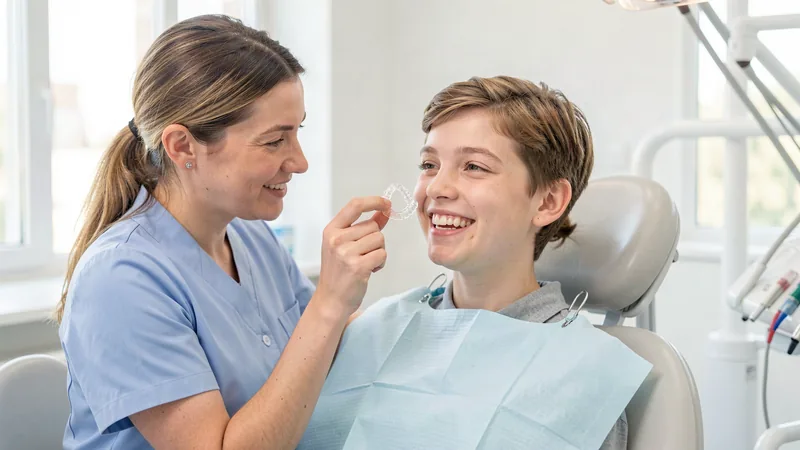
Invisalign
Invisalign is the clear-aligner brand adults and teenagers ask for by name. Published ranges put aligner treatment at $3,000 to $7,000, with an insurance share of $1,500 to $3,500 where a plan covers orthodontics, and Invisalign publishes its own case example with the fee, the covered share and the monthly figure.
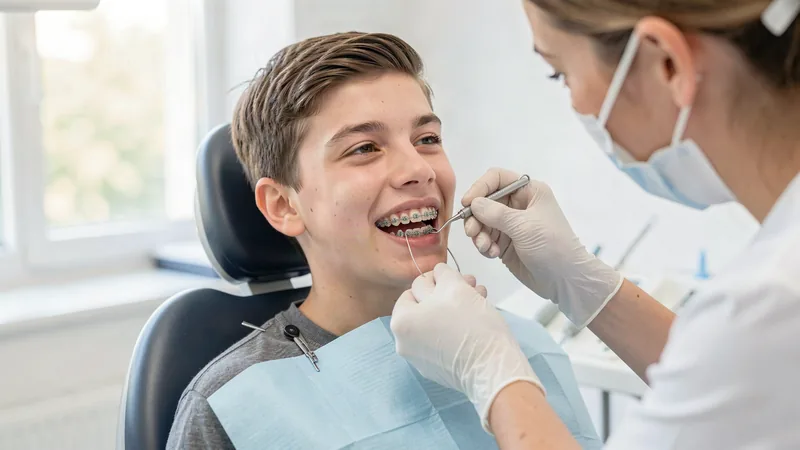
Metal Braces
Metal braces are the fixed appliance most treatment plans are still built around: a bracket on each tooth, a wire through the brackets, and adjustments the orthodontist schedules. Published ranges put full treatment at $3,000 to $7,500, with an insurance share of $1,500 to $3,750 where a plan covers orthodontics.
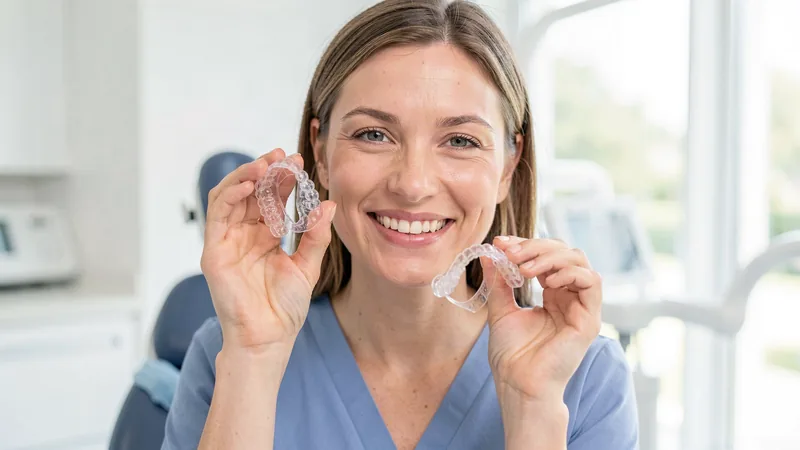
Clear Aligners
Clear aligners are removable trays made in a sequence, each one moving the teeth a little further toward the result the orthodontist has planned. Published ranges put aligner treatment at $3,000 to $7,000, with an insurance share of $1,500 to $3,500 where a plan covers orthodontics.
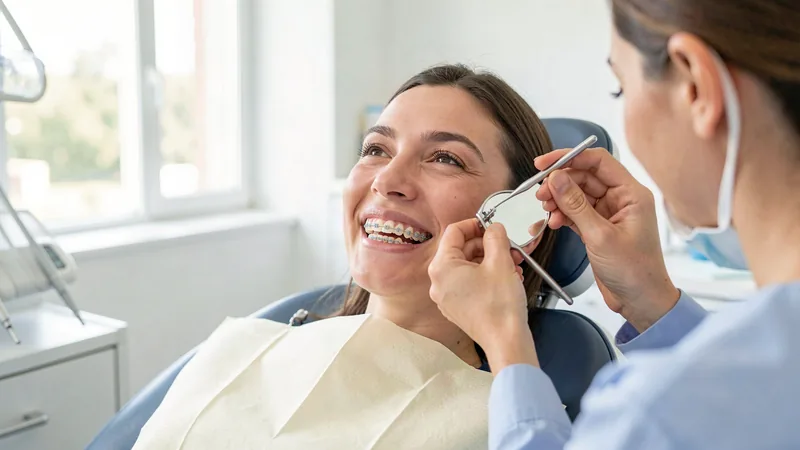
Ceramic Braces
Ceramic braces work exactly like metal ones, with a wire and a schedule of adjustments, but the brackets are tooth-colored so the appliance reads as a thin line rather than a mouthful of metal. Published ranges put ceramic treatment at $2,000 to $8,500, with an insurance share of $1,000 to $4,750 where a plan covers orthodontics.
Retainers
Retention is the phase most patients underestimate: the teeth keep responding to the forces around them long after the braces come off, and a fixed wire, a removable retainer or both is what holds the result. Our sources publish treatment ranges, not retainer prices, so this page tells you which questions to put in writing instead.
Kids Orthodontics
Most guidance points to a first orthodontic evaluation around age seven, when the first permanent molars and front teeth have come through and a growing jaw can still be guided. That visit is an assessment rather than a commitment, and many children are simply reviewed again in six to twelve months.

Adult Orthodontics
Adults come to orthodontics from two directions: never treated, or treated years ago and shifting again. The mechanics do not change with age, but the appliance choice, the foundation check and the insurance picture all do, and most US dental plans will not cover adult orthodontics at all.
Palatal Expanders
A palatal expander is a fixed appliance that widens the upper jaw while a child is still growing, which is why the age at which it is fitted matters more than almost anything else about it. No published source carries an expander fee, so the number that applies to your child is the one the treating orthodontist quotes in writing. This page covers what the appliance does, the age window, what happens at the consultation, and how the fee fits inside a wider treatment plan.
Space Maintainers
A space maintainer holds the gap left by a baby tooth that came out early, so the teeth around it do not drift into the space a permanent tooth still needs. It is a small, fixed appliance, and the decision to place one comes from an examination and X-rays. This page covers what space maintenance is, the types used, what the consultation involves and how the fee is quoted.
Phase 1 Orthodontics
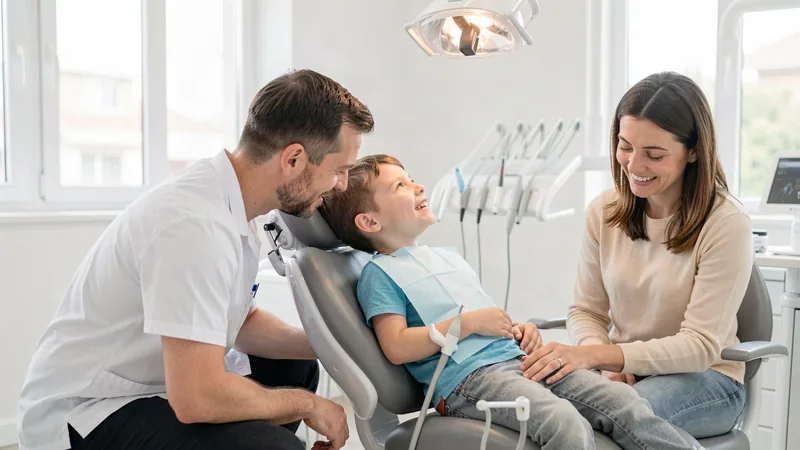
Phase 1 is a first round of orthodontic treatment for a child who still has primary teeth, used when an early problem is easier to guide than it would be to correct later. It is not the same as full treatment, and many children who have it never need a second phase. This page covers what Phase 1 targets, the timing, what the consultation involves and how the fee is quoted.
Tools & calculators
All 20 free Orthodontics tools
Cost calculators, comparisons and checklists. No sign-up.

Cost calculator
Estimate the range for a case in about a minute.

Cost guide
Every published appliance range, in one page.

Consultation checklist
What to bring and what to ask before you commit.

Knowledge quiz
Ten questions on costs, timing and coverage.

Appliance fit quiz
Eight questions that point to an appliance path.

Cost & Payment tools
Estimator, coverage checker, financing, payment plans, retainer cost, value over time

Compare & Plan tools
Appliance selector, braces vs aligners, timeline, treatment and school-calendar planners

Checklists & Answers tools
Practice questions, records and X-ray checklist, second opinion, smile check
Resources

Blogs
Cost, timing and buying guides for Arlington families.
Problems
The bite and smile issues families ask about most.

Watch
Video walkthroughs and what to expect.

FAQ
The questions we get asked most.

How it works
The request, the match, the quotes.

About
Who this free matching service is for in Arlington.
Areas we serve
Arlington
Orthodontics in Arlington, VA - costs, water and soil notes.
Ballston
Orthodontics in Ballston, VA - costs, water and soil notes.
Clarendon
Orthodontics in Clarendon, VA - costs, water and soil notes.
Crystal City
Orthodontics in Crystal City, VA - costs, water and soil notes.
Shirlington
Orthodontics in Shirlington, VA - costs, water and soil notes.
Fairlington
Orthodontics in Fairlington, VA - costs, water and soil notes.
Columbia Pike
Orthodontics in Columbia Pike, VA - costs, water and soil notes.
Cherrydale
Orthodontics in Cherrydale, VA - costs, water and soil notes.
Westover
Orthodontics in Westover, VA - costs, water and soil notes.
Falls Church
Orthodontics in Falls Church, VA - costs, water and soil notes.
McLean
Orthodontics in McLean, VA - costs, water and soil notes.
Alexandria
Orthodontics in Alexandria, VA - costs, water and soil notes.
Annandale
Orthodontics in Annandale, VA - costs, water and soil notes.
Bailey's Crossroads
Orthodontics in Bailey's Crossroads, VA - costs, water and soil notes.
Seven Corners
Orthodontics in Seven Corners, VA - costs, water and soil notes.