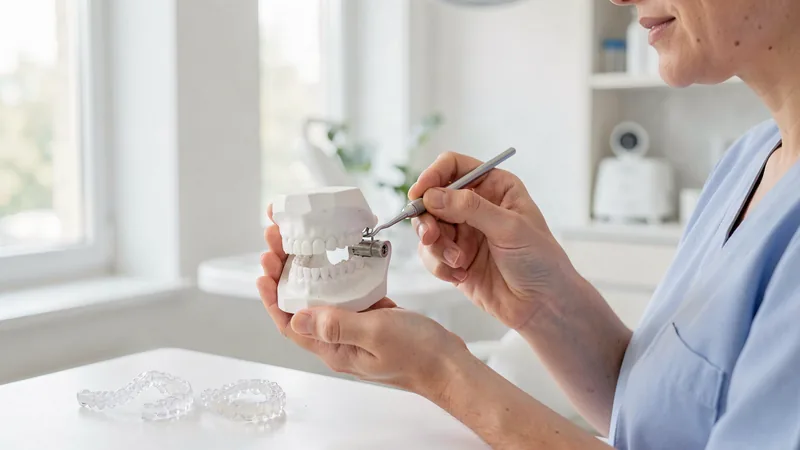
Ceramic brackets are bought for one reason: discretion. The clinical plan behind them is the same as it would be with metal, which is why the choice is usually a conversation about appearance and budget rather than about outcomes. The published ranges are wider for ceramic than for metal, and two published sources do not agree on the floor, so asking for a written fee matters here more than anywhere else in orthodontics. Below are the published bands, what the consultation covers, how brackets and ties age over a treatment plan, and the questions worth asking. We are an independent matching service, not a practice: licensed Arlington orthodontists assess, quote and treat.
What it costs in Ballston
| Job | Published 2026 range |
|---|---|
| Invisalign published case example | $7,000 fee, $5,600 covered, $1,400 balance |
| That example paid over 24 months | about $58/month |
| Braces without insurance, published ceiling | up to about $7,000 |
| Published overall range (second source) | $3,000 - more than $12,000 |
What ceramic braces are
Ceramic braces use the same mechanics as metal ones: a bracket bonded to each tooth, a wire threaded through the brackets, and adjustments on a schedule the orthodontist sets. The difference is the bracket material, which is tooth-colored rather than steel.
Most ceramic brackets are held with ligatures, the small ties that keep the wire in the slot. Those ties come in clear or tooth-colored versions, and they can discolor between visits. Some practices fit self-ligating brackets instead, which removes the tie from the picture, and many advise watching coffee, tea and heavily colored food during treatment.
Ceramic is a cosmetic choice rather than a clinical upgrade. It does not move teeth faster and it does not change the treatment plan. It changes how much of the appliance someone standing a few feet away notices.
What ceramic braces cost in Arlington
Published ranges put ceramic braces at $2,000 to $8,500, with an insurance share of $1,000 to $4,750 where a plan covers orthodontics. A second published source prices ceramic brackets at $4,000 to $8,000, so the two published ranges disagree about the floor. That is a reason to ask for a written fee, not a reason to expect a discount.
| Appliance | Published range | Insurance share where covered |
|---|---|---|
| Ceramic braces | $2,000 - $8,500 | $1,000 - $4,750 |
| Metal braces | $3,000 - $7,500 | $1,500 - $3,750 |
| Clear aligners (Invisalign) | $3,000 - $7,000 | $1,500 - $3,500 |
| Lingual braces | $5,000 - $13,000 | $3,500 - $9,250 |
Across all appliances, published treatment costs run $3,000 to more than $10,000, and a second source puts the overall range at $3,000 to more than $12,000. Braces paid privately carry a published ceiling of about $7,000. No published source carries an average ceramic fee for Arlington, and this page does not state one.
Ask what the total covers before you compare two quotes: records, brackets and wires, every adjustment visit, removal, and retainers. Our sources publish no retainer price, so if retention is not in the total, the practice has to quote it.
What happens at the consultation
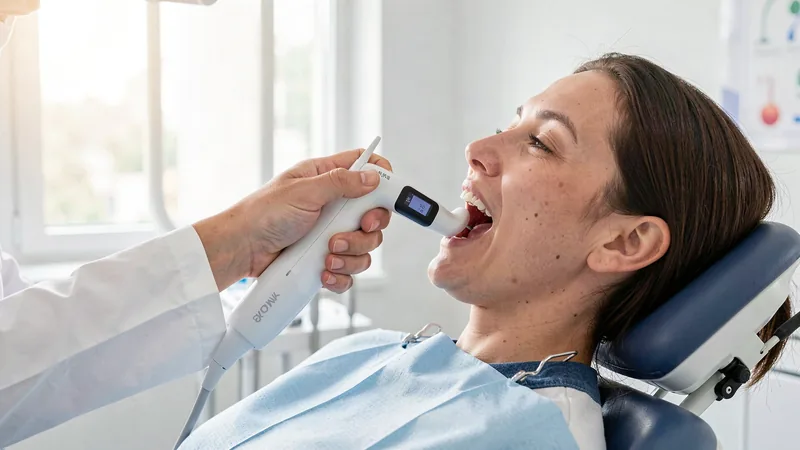
The consultation is a records visit run by the orthodontist: photographs, X-rays, and a digital scan or impression of the teeth and bite. Records come first because the plan depends on them.
Expect the orthodontist to explain what treatment would change and roughly how long it would take, then to compare appliance options with you. If ceramic brackets are on the table, ask directly whether they change anything in this case, and how the practice handles ties and staining between visits.
Cost and retention belong in the same appointment. Ask for the total fee in writing, what it includes, how the payment plan works, whether the practice files the insurance claim, and whether the first retainers are inside the total or billed separately.
- Total fee, and what it includes
- Treatment time estimate, and the visit interval
- Ceramic compared with metal and aligners for this specific bite
- Retainer plan, and the fee for a replacement
- What your plan pays, and when the annual maximum resets
Local note for Ballston
The Orange and Silver lines link Virginia Square, Ballston, Clarendon and Rosslyn, and I-66 feeds the corridor from the west. Most families here reach an appointment without a long drive. Ask how many visits the plan needs and whether the office can see the patient before school or after work. A small county makes the trip easy; the visit count decides whether it stays easy.
A Ballston address sits inside the Arlington County system: water from the Potomac River, treated at the Dalecarlia Treatment Plant by the Washington Aqueduct Division of the U.S. Army Corps of Engineers. Part of the county, the Willston Pressure Zone, is supplied by water purchased from Fairfax Water instead. That zone is sampled as its own consecutive system, which is why we ask for the street rather than the neighbourhood.
Utility accounts: Arlington County Water Utilities (Potomac River water treated at the Dalecarlia Treatment Plant, Washington Aqueduct) · 703-228-6555
Checking a quote in Ballston
What is the total fee, and what does it include (records, adjustments, retainers, removal)?
Is a retainer included in that fee, and what does a replacement cost?
How is the treatment time estimated for this case, and how often are visits?
What does my dental plan pay, and does it reset on a calendar year?
Frequently asked questions
How much do ceramic braces cost in Arlington?
Published ranges put ceramic braces at $2,000 to $8,500, with an insurance share of $1,000 to $4,750 where a plan covers orthodontics. A second published source prices ceramic brackets at $4,000 to $8,000, so the two published ranges differ at the low end. A practice's written fee schedule is the figure that applies to your case.
Are ceramic braces worth the extra cost over metal?
That depends on what you are buying. Ceramic brackets do not move teeth faster and they do not change the treatment plan; they make the appliance less visible. If appearance matters more than the fee difference within the published bands, ceramic is the usual choice. If not, metal braces at $3,000 to $7,500 do the same mechanical job.
Do ceramic braces stain?
The bracket is tooth-colored and does not stain the way a ligature can. The small ties holding the wire are what discolor between visits, and they are replaced at each adjustment. Some practices fit self-ligating brackets to avoid the tie question entirely. Ask what the practice uses in your case.
Related pages





Tools & calculators

All 20 free Orthodontics tools
Cost calculators, comparisons and checklists. No sign-up.

Cost calculator
Estimate the range for a case in about a minute.

Cost guide
Every published appliance range, in one page.

Consultation checklist
What to bring and what to ask before you commit.

Knowledge quiz
Ten questions on costs, timing and coverage.

Appliance fit quiz
Eight questions that point to an appliance path.
Cost & Payment tools
Estimator, coverage checker, financing, payment plans, retainer cost, value over time

Compare & Plan tools
Appliance selector, braces vs aligners, timeline, treatment and school-calendar planners
Checklists & Answers tools
Practice questions, records and X-ray checklist, second opinion, smile check