Arlington County holds about 243,931 residents, and in a dense county of 26 square miles families choose a practice by results and by convenience more than by distance. Metal braces remain the most common appliance because they work across the widest range of bites and because they do not rely on the patient remembering to wear something. This page sets out the published cost ranges, what the consultation actually covers, how treatment time gets estimated, and how insurance, an FSA and the plan year fit in. We are an independent matching service, not a practice: your request goes to licensed Arlington orthodontists, and they quote, treat and warrant the work.
What it costs in Bailey's Crossroads
| Job | Published 2026 range |
|---|---|
| Invisalign published case example | $7,000 fee, $5,600 covered, $1,400 balance |
| That example paid over 24 months | about $58/month |
| Braces without insurance, published ceiling | up to about $7,000 |
| Published overall range (second source) | $3,000 - more than $12,000 |
What metal braces are, and who they suit
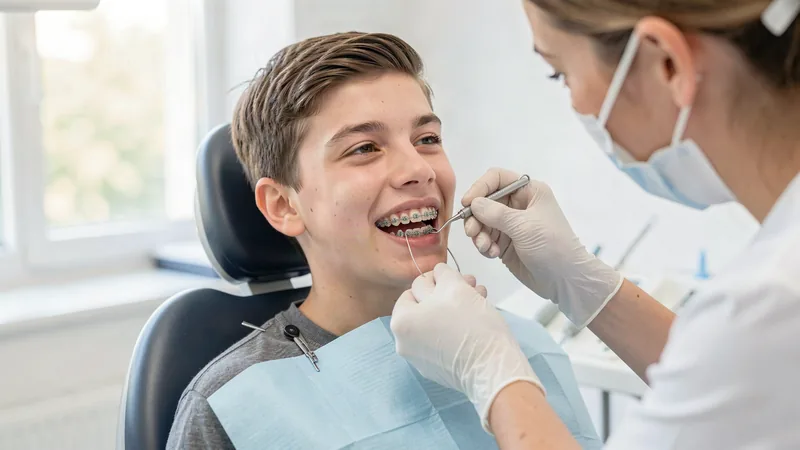
Metal braces are a fixed appliance: a bracket bonded to each tooth, a wire threaded through those brackets, and a schedule of adjustments set by the treating orthodontist. The brackets are usually stainless steel, and the wire carries the force that straightens the teeth over months rather than days, under a plan the orthodontist sets.
They suit a wide range of cases, which is why they are still the default. Crowding, spacing, rotated teeth, open bites and deep bites are all routinely treated with fixed appliances. They also work when a patient cannot commit to wearing a removable tray for most of the day.
For teenagers they are the usual answer. For adults they are still an option, and modern brackets are smaller and less visible than the ones many parents remember wearing. We do not fit anything on this site: the orthodontist who takes the case holds the license, the treatment plan and the outcome.
What metal braces cost in Arlington
Published ranges put full metal brace treatment at $3,000 to $7,500. Where a dental plan covers orthodontics, the published insurance share of that band is $1,500 to $3,750, which works out to roughly half the fee.
| Item | Published range | Notes |
|---|---|---|
| Metal braces, full treatment | $3,000 - $7,500 | Insurance share reported at $1,500 - $3,750 |
| Comprehensive orthodontic treatment | $3,000 - more than $10,000 | A second published source puts the overall range at $3,000 to more than $12,000 |
| Braces paid privately | up to about $7,000 | Published ceiling for braces without insurance |
What moves the number within that band is the case, not the town. A short round of treatment on mild crowding and a two-year plan with extractions, an expander or a surgical component are not the same purchase. No published source carries an average orthodontic fee for Arlington specifically, and we will not invent one to make a page look local.
The practical step is a written fee schedule from each practice, listing what the total covers: records, brackets and wires, adjustment visits, removal, and retainers. If a retainer is not inside the total, ask for its price separately. Our sources publish no retainer price, so that figure has to come from the practice.
What happens at the consultation
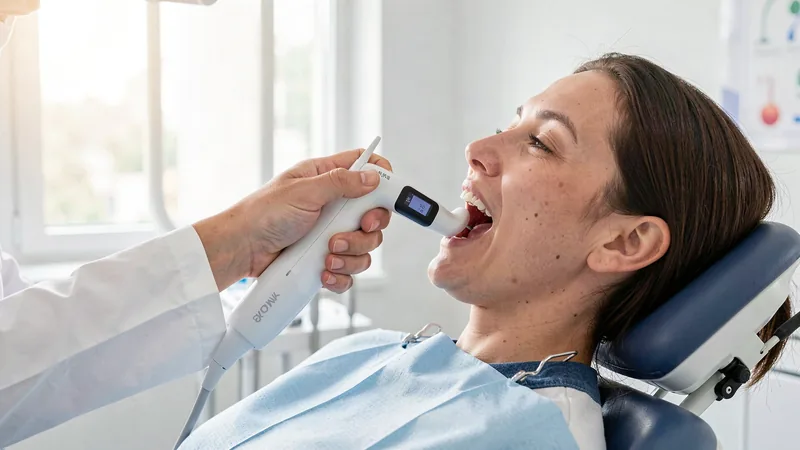
The first appointment is a records and planning visit, and the orthodontist runs it. Expect photographs, X-rays, and either a digital scan or an impression of the teeth and bite. Those records are what the plan gets built on, so they are normally taken before any treatment starts.
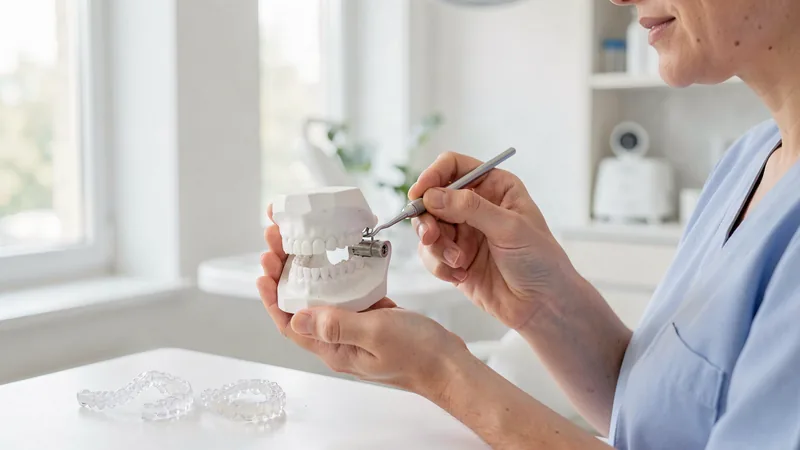
The orthodontist then examines the bite and the jaw relationship, and explains what treatment would change and roughly how long it would take. This is also where the routes get compared: fixed braces, clear aligners, or a staged plan that starts later as a child grows.
Money belongs in that same conversation rather than a later one. Ask for the total fee in writing, how the payment plan is structured, whether the practice files the insurance claim or you do, and whether the practice is in network with your plan.
- Total fee, and exactly what it includes
- Treatment time estimate, and how many visits that means
- Whether retainers are included, and the fee for a replacement
- What your dental plan pays, and when the annual maximum resets
- Who the treating orthodontist is, and that practice's Virginia license number
Local note for Bailey's Crossroads
Columbia Pike is the corridor families use here, with I-395 and US-50 close by for the rest of the county. Ask which office will see the case and how many visits the treatment needs. Living on a county line usually means the nearest office is only minutes away, whichever county the paperwork names.
Bailey's Crossroads is in Fairfax County and supplied by Fairfax Water, so the Arlington County report does not describe the tap here. The county line runs close by, which is why one street can sit on a different water system, a different school division and a different locality from the next. Confirm the utility for the address rather than assuming it from the neighbourhood name.
Utility accounts: Fairfax Water (Fairfax County system)
Checking a quote in Bailey's Crossroads
What is the total fee, and what does it include (records, adjustments, retainers, removal)?
Is a retainer included in that fee, and what does a replacement cost?
How is the treatment time estimated for this case, and how often are visits?
What does my dental plan pay, and does it reset on a calendar year?
Frequently asked questions
How much do metal braces cost in Arlington?
Published ranges put full metal brace treatment at $3,000 to $7,500, with an insurance share of $1,500 to $3,750 where a plan covers orthodontics. Braces paid privately have a published ceiling of about $7,000. What you actually pay is set by the case and the practice's written fee schedule, not by a city average.
Does dental insurance cover metal braces?
Where a plan covers orthodontics, the published insurance share for metal braces is $1,500 to $3,750, roughly half the published fee band. Many plans also carry a lifetime orthodontic maximum that resets on the calendar year, and Healthline notes most dental insurers will not cover adult orthodontics at all. Have the practice check your specific plan.
How long do you wear metal braces?
Published plans commonly run about 12 to 24 months. Invisalign's own published examples run about two years for a teenage case and about one year for an adult case. Your own estimate comes from the orthodontist after records, because the starting bite and the goal decide the timeline.
Related pages




Tools & calculators

All 20 free Orthodontics tools
Cost calculators, comparisons and checklists. No sign-up.

Cost calculator
Estimate the range for a case in about a minute.

Cost guide
Every published appliance range, in one page.

Consultation checklist
What to bring and what to ask before you commit.

Knowledge quiz
Ten questions on costs, timing and coverage.

Appliance fit quiz
Eight questions that point to an appliance path.
Cost & Payment tools
Estimator, coverage checker, financing, payment plans, retainer cost, value over time

Compare & Plan tools
Appliance selector, braces vs aligners, timeline, treatment and school-calendar planners
Checklists & Answers tools
Practice questions, records and X-ray checklist, second opinion, smile check
Resources

Blogs
Cost, timing and buying guides for Arlington families.
Problems
The bite and smile issues families ask about most.

Watch
Video walkthroughs and what to expect.

FAQ
The questions we get asked most.

How it works
The request, the match, the quotes.

About
Who this free matching service is for in Arlington.
Orthodontics in Bailey's Crossroads, VA — Metal Braces and More
This page is a local information and matching page for orthodontics in Bailey's Crossroads, VA, covering metal braces and the other appliance options local practices may discuss. It is not a dental or orthodontic practice and gives no clinical advice. If you request a match, you are connected with local practices that can assess your case in a consultation. Any treatment decision is between you and a qualified orthodontist.
Metal Braces vs Other Appliance Options
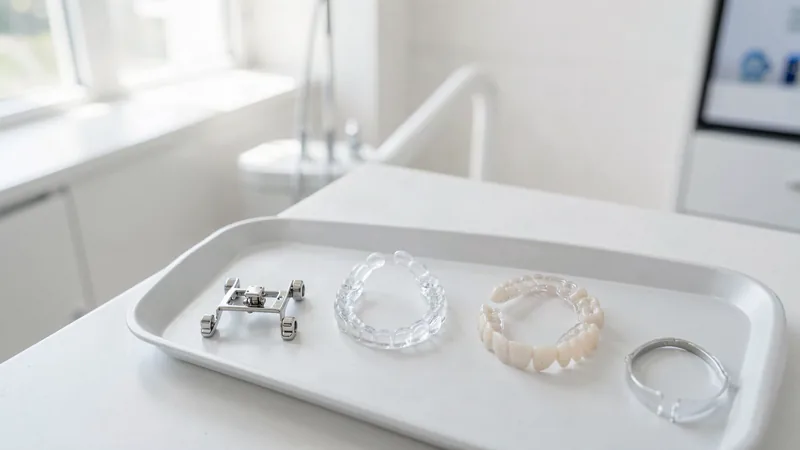
Metal braces are one option among several; clear aligners, ceramic brackets and lingual appliances are others some practices offer. Which is suitable depends on your case, which only a qualified orthodontist can assess. We do not recommend one appliance over another, and timelines and outcomes vary from person to person. A consultation is the right place to compare options.
What Happens at an Orthodontic Consultation in Bailey's Crossroads
A consultation usually begins with an assessment of your teeth and bite, followed by a discussion of the options the practice offers. You can ask about the provider's credentials, the treatment process, costs and payment plans. Take written notes so you can compare practices fairly. There is no obligation to proceed with any practice you are matched with.
Questions to Ask an Orthodontist Near Bailey's Crossroads
Ask about the orthodontist's qualifications and experience, how the practice handles records and x-rays, and what the process involves from start to finish. Request written information on fees and payment options. Ask who to contact with questions between appointments. A practice that answers in detail is usually a good sign.
How Our Matching Service Works for Braces in Bailey's Crossroads
You submit one free request describing what you are looking for. We connect you with up to three local orthodontic practices that can discuss their own services. You compare consultations and credentials and decide on your own terms. We are a matching service and do not provide orthodontic advice or treatment.